
Keeping Workplaces Safe from Fires
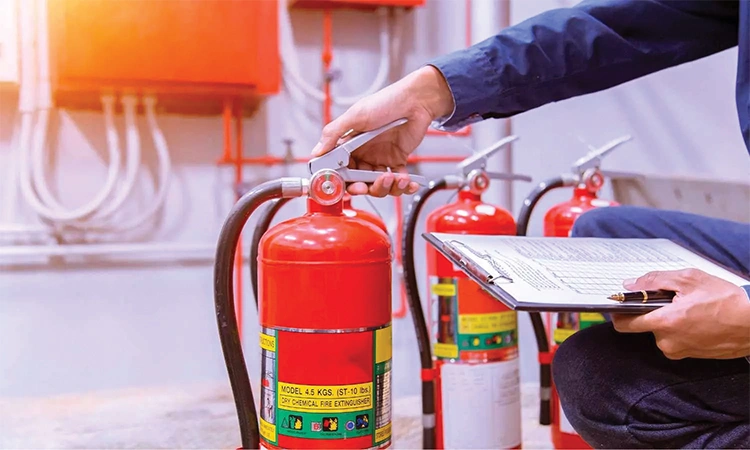
Workplace fire accidents have posed a persistent and long-standing challenge stemming from various factors. The recent fire mishaps in an oil paint warehouse-shop in Jodhpur’s Chopasni Housing Board area in the past month underscore the need for safety. While thankfully, there were no fatalities reported in these incidents, the aftermath led to injuries and significant property damage.
Consequently, establishing fire safety as a paramount concern through proactive prevention, early detection, effective suppression methods, and meticulous evacuation plans are necessary. A notable cause for most fire accidents is the lack of awareness about fire safety and inadequate equipment.
Here are a few modern advancements that employers should consider for keeping their workplaces safe from fires:
- Wireless fire alarm systems:
Wireless fire alarm systems are designed for versatility. They can be adapted with the facility build and deployed wherever needed. Employers can install these systems quickly and move them whenever required. This allows for seamless integration with the site’s development. Modern wireless fire alarm systems come equipped with heat and smoke detectors, which ensure better safety on site.
- Thermal imaging cameras:
Thermal imaging cameras with smartphone attachments represent the cutting edge of technology in fire safety. These devices can swiftly detect hot spots and identify whether heat sources have been sufficiently cooled or extinguished on completion of activities. The technology helps prevent potential fires, especially when flammable materials are present.
- Quality fire detection systems:
Installing cheaper fire detection systems is a rooky mistake. It is better to invest in a quality fire detection system which will help save time and money in the long run. Quality systems are usually installation-friendly and can be remote for quick and convenient diagnostics. The technology may be useful for sites that are difficult to access, saving a potentially costly trip to the site. A smoke sensor with a built-in sounder, for example, saves the cost of buying two separate products.![]()
Suresh Tanwar,
Senior Head – Audit and Consultancy, British Safety Council, India

- Safety Audits:
Safety audits offer an in-depth examination of an organisation’s fire safety management systems and associated arrangements. The safety audits provide detailed recommendations benchmarked against industry best practices and specifications. Such audits focus on critical aspects of managing workplace fire safety and offer a structured route toward continual improvement and best practice status. Ensuring periodic safety audits will enable an organisation to improve its fire safety management processes and will ensure its the current controls are suitable.