
What’s new in Fire Suppression Systems – Smarter, Faster, & Greener Protection
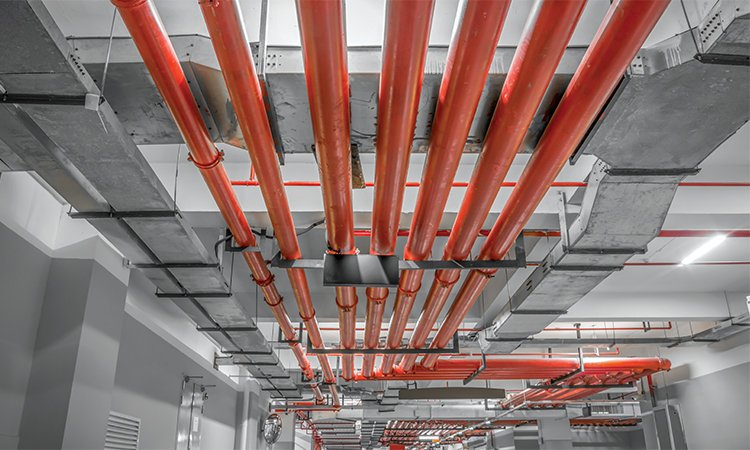
Fire remains one of the most destructive forces threatening human life, property, and the environment. Whether in factories, data centers, aircraft hangars, or high-rise buildings, a few seconds of delay in suppressing a blaze can result in catastrophic losses. Traditional fire suppression systems—while reliable—often relied on reactive mechanisms and water-based solutions. But recent technological advances have transformed fire protection into a proactive, intelligent, and environmentally conscious discipline.
Today’s next-generation fire suppression systems combine artificial intelligence (AI), smart sensors, eco-friendly agents, and automated control technologies to deliver rapid, targeted, and sustainable fire protection. These innovations not only save lives and assets but also minimize downtime and environmental impact.
Intelligent Detection and Early Warning Systems
Modern fire suppression begins with smarter detection. Traditional smoke or heat detectors are giving way to AI-based multi-sensor detection systems that analyze multiple parameters—temperature rise, smoke density, gas concentration, and even acoustic signatures—to detect potential fires at a much earlier stage.
AI-powered detectors can differentiate between real fire threats and false alarms caused by dust, steam, or cooking fumes. This is a significant advancement for industries such as manufacturing and food processing, where false alarms can lead to costly disruptions. For critical environments like data centers, AI-enabled systems continuously monitor temperature variations and electrical faults, predicting overheating before ignition occurs. Some systems are integrated with building management systems (BMS) to automatically activate preventive cooling or localized suppression.
Advanced Fire Suppression Agents – Environmentally Responsible Choices
A major shift in recent years is the move toward green suppression agents. Conventional halon-based extinguishants, though effective, were phased out due to their ozone-depleting and global-warming potential. Modern alternatives are safer for both people and the planet.
• Clean agents such as FM-200 (HFC-227ea), Novec 1230, and FK-5-1-12 are widely used in mission-critical environments like control rooms, data centers, and server farms. They extinguish fires rapidly by absorbing heat without leaving residue or harming sensitive equipment.
• Inert gas systems, using blends of nitrogen, argon, and carbon dioxide, suppress fire by reducing oxygen concentration to a level that stops combustion but remains safe for human occupancy.
• Water mist systems have gained traction as an energy-efficient, low-water alternative to sprinklers. They use ultra-fine water droplets that absorb heat and displace oxygen while minimizing water damage to assets.
Manufacturers are also developing next-gen aerosol-based systems, where condensed aerosols disrupt the chemical chain reaction of fire at a molecular level. Compact, lightweight, and easy to retrofit, they are ideal for electrical panels, vehicles, and confined spaces.
AI and IoT Integration – Smarter, Predictive Protection
The integration of Artificial Intelligence (AI) and the Internet of Things (IoT) is perhaps the most transformative trend in fire suppression. AI-powered systems go beyond detection—they predict & prevent. IoT-connected sensors continuously share environmental data with centralized control platforms. AI algorithms analyze this data to identify patterns, detect early warning signs (like unusual heat build-up or chemical leaks), and issue predictive alerts before a fire starts.
In industrial plants, for instance, AI-integrated systems can automatically isolate high-risk zones, activate localized suppression, and even guide emergency responders to the exact source of ignition. These systems also interface with HVAC and electrical control networks, shutting down ventilation or power circuits to prevent fire spread.
Smart control panels, powered by machine learning, provide real-time dashboards for facility managers. They not only show the system’s health but can simulate fire scenarios, optimize maintenance schedules, and ensure continuous readiness.
Hybrid and Localized Suppression Technologies
Recent innovations have led to hybrid suppression systems that combine multiple agents or delivery mechanisms for optimized protection. For instance, hybrid systems may use both water mist and inert gas, ensuring rapid cooling along with oxygen displacement. This approach is highly effective in large industrial zones, aircraft hangars, or marine environments where diverse fire risks coexist.
Localized or modular fire suppression units are another innovation gaining popularity. Instead of protecting an entire room, these systems target specific equipment or zones—like CNC machines, switchboards, or battery cabinets. By focusing on ignition sources, they minimize agent usage, reduce collateral damage, and cut maintenance costs.
Robotics & Drone-Assisted Firefighting
Automation is redefining active fire suppression. Firefighting robots are now deployed in high-risk environments such as chemical plants, tunnels, and warehouses. Equipped with sensors, cameras, and autonomous navigation, these robots can approach fires humans cannot. They can spray water mist or foam precisely at the source and even operate in zero-visibility conditions.
Aerial drones equipped with thermal imaging cameras assist in identifying fire origins and hotspots from above, helping fire suppression systems respond more efficiently. In future smart cities, drone-assisted fire suppression may be integrated with AI control networks for coordinated, autonomous firefighting.
Battery & EV Fire Suppression Systems
The rise of electric vehicles (EVs) and lithium-ion battery usage has introduced a new fire risk. Battery fires are difficult to extinguish due to thermal runaway—a chain reaction that can reignite after suppression.
To tackle this, specialized battery fire suppression systems have emerged. These systems use dielectric cooling agents, gas-based extinguishants, and encapsulation foams designed to penetrate battery packs and interrupt the chemical chain reaction. Manufacturers are also integrating temperature sensors and thermal management systems within EV battery units to predict and contain fire hazards early.
In warehouses and transport facilities handling batteries, automatic fire suppression systems using aerosol or clean agent technology are now standard, ensuring rapid containment.
Data-Driven Maintenance and Cloud Connectivity
A major innovation in fire protection is the move from reactive maintenance to data-driven predictive maintenance. IoT-enabled fire suppression systems continuously transmit performance data—such as pressure levels, valve status, and agent concentration—to cloud platforms.
AI analytics interpret this data to predict potential system failures or maintenance needs. Facility managers receive instant notifications if a suppression system is compromised, ensuring reliability at all times. This connectivity also allows remote diagnostics and automatic compliance reporting, streamlining audits and reducing downtime.
Sustainability and Lifecycle Efficiency
With growing emphasis on sustainability, modern fire suppression systems are being designed with low environmental impact and high lifecycle efficiency. Recyclable agent containers, low-GWP (Global Warming Potential) extinguishants, and solar-powered control units are becoming common.
Manufacturers are exploring bio-based foams and non-toxic aerosols that are equally effective yet environmentally benign. In large facilities, centralized suppression networks are being designed to minimize agent wastage and maximize energy efficiency.
Integration with Building Management and Safety Ecosystems
Fire suppression is no longer an isolated function—it’s part of an integrated safety ecosystem. Smart suppression systems now interface seamlessly with building management systems (BMS), security networks, and emergency lighting and evacuation systems.
In the event of a fire, these interconnected systems can automatically unlock emergency exits, guide occupants to safety using dynamic signage, and communicate directly with fire departments. Such integration reduces response times and ensures coordinated emergency management.
Conclusion – The Future of Fire Suppression is Intelligent and Green
The world of fire suppression is undergoing a quiet revolution—one driven by intelligence, sustainability, and automation. From AI-powered early detection and predictive analytics to eco-friendly suppression agents and robotic firefighting, every innovation aims to make fire protection smarter, faster, and safer.
In India, industries, data centers, and commercial buildings are rapidly adopting these advanced systems as part of their “Smart Safety” strategies. Government initiatives promoting sustainable infrastructure and safety compliance are further accelerating this shift. As technology continues to advance, the fire suppression systems of tomorrow will not just react to fire—they will anticipate it, contain it, and control it with unmatched precision. The integration of AI, IoT, and green technologies promises a future where fire safety becomes as intelligent and adaptive as the environments it protects.